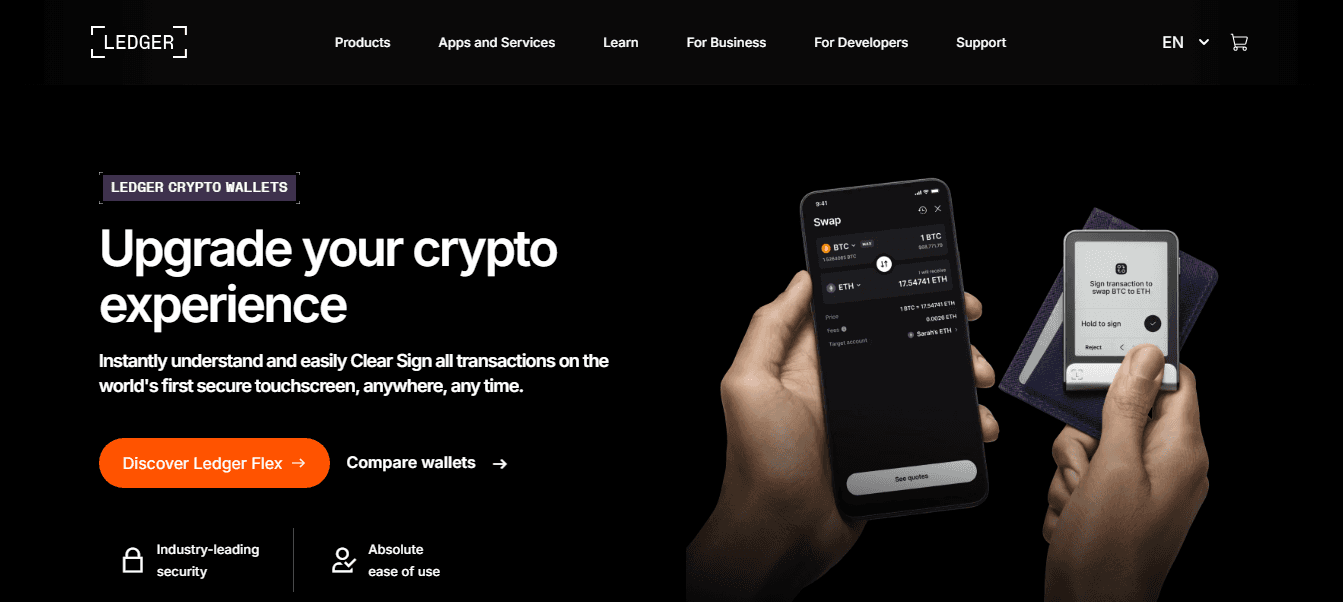
Ledger.com/start – A Complete Walkthrough to Securely Setting Up Your Ledger Wallet
The appeal of cryptocurrency lies in independence. You can send value globally, hold assets without intermediaries, and manage your finances without relying on banks. However, this freedom also removes safety nets. If your private keys are compromised or lost, there is no recovery authority to help you. This is why secure storage is the foundation of responsible crypto ownership.
Ledger hardware wallets are designed to solve this problem by keeping private keys offline. To ensure users start safely, Ledger provides a dedicated onboarding page: Ledger.com/start. This page is the only official gateway for initializing a Ledger device, installing trusted software, and securing your recovery information.
This guide explains Ledger.com/start in detail, covering its purpose, importance, and the correct way to use it.
What Is Ledger.com/start?
Ledger.com/start is Ledger’s official setup page for all Ledger hardware wallets. It is the first step users should take after purchasing a Ledger device, whether they are creating a new wallet or restoring an existing one.
The page guides users through:
Downloading Ledger Live (official software)
Verifying and initializing the device
Creating or restoring a wallet
Backing up the recovery phrase
Configuring essential security settings
By using Ledger.com/start, users ensure their device and software are authentic and free from tampering.
Why Using Ledger.com/start Matters
Crypto scams often target new users during setup. Fake Ledger apps, imitation websites, and phishing messages attempt to trick users into revealing their recovery phrase.
Key Reasons Ledger.com/start Is Essential
Official Software Source
Ledger.com/start links only to genuine Ledger applications and firmware.
Phishing Risk Reduction
Typing the official address manually helps avoid fake websites.
Secure Key Generation
Private keys are generated inside the Ledger device, never on your computer or phone.
Guided, Error-Reducing Setup
The instructions are designed to prevent mistakes that could lead to permanent loss.
Ledger Devices Supported
Ledger.com/start supports all modern Ledger hardware wallets and adjusts instructions automatically.
Ledger Nano S Plus
USB-only connection
No battery
Affordable and beginner-friendly
Supports thousands of assets
Ledger Nano X
USB and Bluetooth connectivity
Built-in battery
Works with mobile and desktop
Suitable for users who transact frequently
Ledger Stax
Touchscreen display
Modern, card-style design
Enhanced navigation
Designed for advanced and long-term users
Regardless of model, security fundamentals remain the same.
Preparing for a Safe Setup
Before beginning the setup process, preparation is crucial.
What You Should Have Ready:
A trusted computer or smartphone
Stable internet connection
Original USB cable
Pen and paper for recovery phrase
A private, distraction-free environment
Never set up your Ledger in public spaces or on shared devices.
Step-by-Step Setup via Ledger.com/start
Step 1: Open the Official Ledger Website
Manually enter the following address into your browser:
ledger.com/start
Ensure:
The spelling is correct
HTTPS encryption is visible
There are no added words or symbols
Bookmarking the page can help prevent future errors.
Step 2: Download Ledger Live
Ledger.com/start will guide you to install Ledger Live, the official companion app.
Ledger Live Allows You To:
View crypto balances
Send and receive assets
Buy, sell, and swap crypto
Install blockchain apps
Update device firmware
Manage staking (supported assets)
Ledger Live is available for Windows, macOS, Linux, Android, and iOS.
Step 3: Connect Your Ledger Device
Connect the Ledger via USB or Bluetooth (Nano X)
Follow on-screen instructions
Approve actions on the device itself
Every sensitive action requires physical confirmation.
Step 4: Choose Wallet Setup Option
You will be asked to choose:
Set up as a new device
Restore from recovery phrase
Select Set up as new if this is your first Ledger. Use restore only if you already have a recovery phrase.
Step 5: Create a Secure PIN
The PIN protects your device if it is lost or stolen.
Choose a 4–8 digit PIN
Avoid common sequences
Confirm directly on the device
After several incorrect attempts, the device resets automatically.
Step 6: Write Down the Recovery Phrase
The recovery phrase is the master key to your wallet.
Consists of 24 words
Generated offline by the Ledger device
Displayed only once
Recovery Phrase Safety Rules:
Write words clearly and in order
Store offline only
Never photograph or scan
Never type it into any website or app
If someone has this phrase, they control your funds.
Step 7: Verify the Recovery Phrase
Ledger will prompt you to confirm random words from the phrase. This ensures you copied it correctly and reduces the risk of future recovery failure.
Extra Security Options
Optional Passphrase
Ledger supports an optional passphrase feature.
Benefits:
Adds a second layer of security
Creates hidden wallets tied to the same recovery phrase
⚠️ Passphrases are not recoverable. Forgetting one means permanent loss of access.
Secure Element Chip
Ledger devices contain a Secure Element (SE) chip, similar to those used in passports and payment cards. This chip isolates private keys from the rest of the system and protects against advanced attacks.
Supported Cryptocurrencies
Ledger supports thousands of cryptocurrencies and tokens, including:
Major Coins
Bitcoin (BTC)
Ethereum (ETH)
Litecoin (LTC)
Bitcoin Cash (BCH)
Tokens and Stablecoins
ERC-20 tokens
USDT, USDC, DAI
Polygon and BNB Chain tokens
Other Networks
Cardano (ADA)
Solana (SOL)
Polkadot (DOT)
Avalanche (AVAX)
New assets are added regularly through updates.
Managing Assets with Ledger Live
With Ledger Live, users can:
Monitor portfolio performance
Send and receive crypto securely
Stake supported assets
Swap tokens
Buy and sell crypto
Manage installed apps
Private keys never leave the Ledger device.
Using Ledger with External Wallets
Ledger hardware wallets integrate with popular third-party wallets for advanced use cases.
Examples include:
MetaMask (DeFi and NFTs)
Electrum (Bitcoin)
MyEtherWallet (Ethereum)
Phantom (Solana)
In all cases, Ledger signs transactions securely without exposing private keys.
Common Mistakes to Avoid
Using fake Ledger setup websites
Entering recovery phrase on a website
Storing recovery phrase digitally
Ignoring firmware updates
Losing paper backups
Avoiding these mistakes significantly improves long-term safety.
What Happens If the Ledger Is Lost?
Your assets are not stored on the device itself.
To restore access:
Purchase a new Ledger
Visit Ledger.com/start
Choose Restore from recovery phrase
Enter the 24-word phrase
Your wallet and balances will reappear.
Hardware Wallet vs Software Wallet
FeatureLedger Hardware WalletSoftware WalletKey StorageOfflineOnlineAttack ExposureVery LowHigherLong-Term SecurityExcellentModerateBest UseSecure storageConvenience
Hardware wallets are the preferred choice for serious holders.
Is Ledger.com/start Safe?
Yes—when accessed correctly.
Safety Checklist:
Type the URL manually
Verify HTTPS encryption
Never share your recovery phrase
Confirm actions on the device screen
Ledger’s architecture and audits make it one of the most trusted names in crypto security.
Final Overview
Ledger.com/start is the cornerstone of safe Ledger wallet usage. It ensures that your device is authentic, your private keys remain offline, and your recovery information is properly secured.