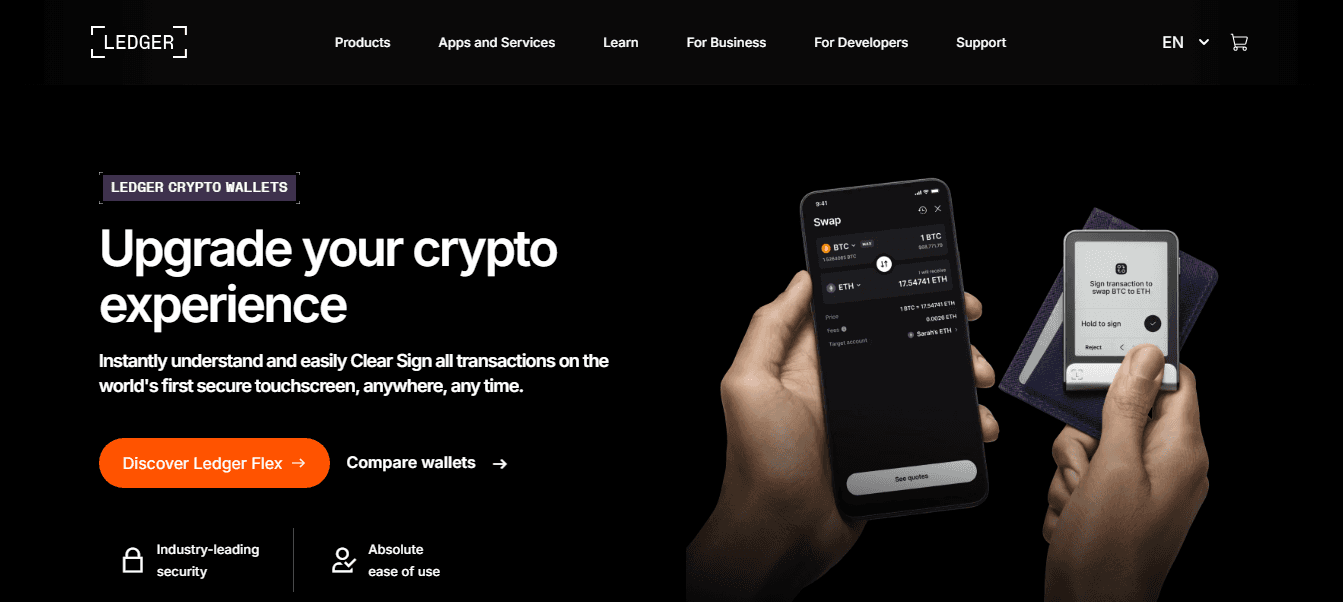
Ledger.com/start – The Official First Step Toward Securing Your Cryptocurrency
Cryptocurrency ownership comes with a powerful promise: full control over your money. However, that promise only holds true when security is handled correctly. Unlike traditional financial systems, blockchain transactions are irreversible, and there is no authority that can recover lost funds. This makes the way you store your crypto one of the most important decisions you will ever make.
Ledger hardware wallets are built to provide strong protection by keeping private keys offline. To ensure that users begin safely and correctly, Ledger provides an official setup portal known as Ledger.com/start. This page acts as the trusted entry point for configuring your Ledger device, installing official software, and learning critical security practices.
This guide explains Ledger.com/start from the ground up—what it is, why it matters, and how to use it properly.
Understanding Ledger.com/start
Ledger.com/start is the official onboarding page created by Ledger for initializing Ledger hardware wallets. Whether you are setting up a new device or restoring an existing wallet, this page provides the correct and secure process.
Its purpose is to help users:
Download Ledger’s official software
Verify device authenticity
Initialize or restore a wallet
Create and secure a recovery phrase
Apply essential security settings
Using this page ensures your wallet setup is legitimate and protected from common threats such as phishing and fake applications.
Why Ledger.com/start Is So Important
Many crypto losses happen before users even make their first transaction. This usually occurs because setup instructions were followed from unofficial sources or because users unknowingly shared their recovery phrase.
Core Reasons to Use Ledger.com/start
Authenticity Assurance
Ledger.com/start directs users only to genuine Ledger software and firmware.
Scam Prevention
Imitation Ledger websites and apps are widespread. The official setup page helps users avoid them.
Offline Key Creation
Private keys are generated inside the Ledger device, not on an internet-connected computer.
Clear, Guided Instructions
The setup process is designed to minimize confusion and reduce the risk of irreversible mistakes.
Ledger Wallet Models Supported
Ledger.com/start supports all current Ledger hardware wallets and automatically customizes instructions.
Ledger Nano S Plus
USB-powered device
No battery required
Affordable and simple
Supports thousands of crypto assets
Ledger Nano X
USB and Bluetooth connectivity
Built-in battery
Works with mobile and desktop
Designed for frequent transactions
Ledger Stax
Touchscreen interface
Card-style design
Enhanced navigation
Intended for advanced users and collectors
All models share the same core security principles.
Getting Ready Before Setup
Before visiting Ledger.com/start, take a few minutes to prepare your environment.
Preparation Checklist:
Use a personal, malware-free computer or smartphone
Ensure a reliable internet connection
Have the original USB cable available
Keep pen and paper ready for your recovery phrase
Choose a private location without distractions
Avoid setting up your wallet in public or on shared devices.
Step-by-Step Setup Process via Ledger.com/start
Step 1: Access the Official Page
Open your browser and manually enter:
ledger.com/start
Confirm that:
The spelling is correct
HTTPS encryption is present
There are no additional words or redirects
Bookmarking the page helps prevent future mistakes.
Step 2: Install Ledger Live
Ledger.com/start will guide you to download Ledger Live, Ledger’s official management application.
Ledger Live Enables You To:
View account balances
Send and receive cryptocurrencies
Buy, sell, and swap assets
Install blockchain apps
Update firmware
Manage staking (supported coins)
Ledger Live is available for Windows, macOS, Linux, Android, and iOS.
Step 3: Connect Your Ledger Device
Connect your Ledger using USB or Bluetooth (Nano X)
Follow the on-screen instructions
Confirm actions directly on the device
No transaction or setup step can be completed without physical confirmation.
Step 4: Choose Setup Type
Ledger Live will ask you to choose:
Set up as a new device
Restore from recovery phrase
Select Set up as new if this is your first Ledger. Choose restore only if you already have a valid recovery phrase.
Step 5: Create a Device PIN
The PIN protects your Ledger from unauthorized access.
Choose a PIN between 4 and 8 digits
Avoid obvious or repeated numbers
Confirm the PIN on the device
After multiple incorrect attempts, the device resets automatically.
Step 6: Record Your Recovery Phrase
The recovery phrase is the most important part of your wallet.
Contains 24 words
Generated offline by the Ledger device
Shown only once during setup
Essential Safety Rules:
Write the words in the exact order
Store the phrase offline only
Never photograph, scan, or type it
Never share it with anyone
Anyone who has this phrase can access your crypto.
Step 7: Verify the Recovery Phrase
Ledger will prompt you to confirm random words from the recovery phrase. This step ensures that your backup is accurate and readable.
Additional Security Options
Passphrase Feature
Ledger supports an optional passphrase for advanced users.
Advantages:
Adds an extra security layer
Allows hidden wallets tied to the same recovery phrase
⚠️ Passphrases are not recoverable. Losing one means permanent loss of access.
Secure Element Technology
Ledger devices use a Secure Element chip, the same type of technology used in passports and payment cards. This chip isolates private keys and protects them from physical and digital attacks.
Cryptocurrencies Supported by Ledger
Ledger supports thousands of cryptocurrencies and tokens, including:
Major Assets
Bitcoin (BTC)
Ethereum (ETH)
Litecoin (LTC)
Bitcoin Cash (BCH)
Tokens and Stablecoins
ERC-20 tokens
USDT, USDC, DAI
Polygon and BNB Chain assets
Other Networks
Cardano (ADA)
Solana (SOL)
Polkadot (DOT)
Avalanche (AVAX)
Support expands continuously through updates.
Managing Assets Using Ledger Live
With Ledger Live, users can:
Monitor portfolio value
Send and receive crypto securely
Stake supported assets
Swap cryptocurrencies
Buy and sell crypto
Manage installed apps
Private keys always remain inside the Ledger device.
Using Ledger with External Wallet Applications
Ledger hardware wallets integrate with many third-party wallets for advanced use cases.
Popular integrations include:
MetaMask for DeFi and NFTs
Electrum for Bitcoin users
MyEtherWallet for Ethereum
Phantom for Solana
Even when using external wallets, Ledger signs transactions securely without exposing private keys.
Common Errors to Avoid
Visiting fake Ledger setup websites
Entering recovery phrases online
Saving recovery phrases digitally
Ignoring firmware updates
Losing paper backups
Avoiding these mistakes greatly improves security.
What If Your Ledger Is Lost or Damaged?
Your cryptocurrency is not stored on the device itself.
To regain access:
Purchase a new Ledger device
Visit Ledger.com/start
Choose Restore from recovery phrase
Enter your 24-word phrase
Your wallet and balances will be restored.
Hardware Wallet vs Software Wallet
FeatureLedger Hardware WalletSoftware WalletKey StorageOfflineOnlineHack ExposureMinimalHigherLong-Term SafetyExcellentModerateOwnership ControlFullPartial
Hardware wallets are the preferred solution for long-term crypto security.
Is Ledger.com/start Safe to Use?
Yes—when accessed correctly.
Safety Best Practices:
Always type the URL manually
Check for HTTPS encryption
Never share your recovery phrase
Confirm actions on the device screen
Ledger’s security design and independent audits reinforce its reliability.
Final Summary
Ledger.com/start is the foundation of safe Ledger wallet ownership. It ensures that your device is genuine, your private keys remain offline, and your recovery information is properly secured.